Artificial intelligence is rapidly becoming a core part of enterprise technology strategies. Organizations are integrating AI-powered services into customer support platforms, internal knowledge systems, workflow automation tools, business intelligence applications, and digital products. At the center of these AI ecosystems are APIs, which enable applications, users, and systems to interact with AI models and services seamlessly.
As AI adoption grows, so does the importance of securing the APIs that power these services. Every AI API exposed to users, applications, or external systems represents a potential attack surface. Unlike traditional APIs, AI APIs often have access to proprietary business data, customer information, internal documentation, and critical operational systems. A security weakness in these interfaces can lead to data breaches, unauthorized access, compliance violations, and significant financial losses.
For enterprises deploying AI at scale, API security is becoming one of the most important pillars of a successful AI strategy.
Why AI APIs Require Enhanced Security
Traditional APIs primarily exchange structured information between systems. AI APIs operate differently. They process user prompts, retrieve contextual information, interact with databases, access enterprise knowledge repositories, and generate dynamic responses.
This broader functionality introduces unique security challenges.
AI APIs often handle:
- Sensitive business information
- Proprietary intellectual property
- Customer records
- Internal operational data
- Financial information
- Regulated datasets
Because these systems interact with both users and enterprise resources, a compromised AI API can expose far more than a standard application endpoint.
As organizations integrate multiple AI services across departments, securing every interaction becomes essential for maintaining operational integrity and trust.
The Growing Threat Landscape for Enterprise AI
As AI systems become more valuable, they are increasingly attracting attention from cybercriminals and malicious actors.
One of the most common threats is unauthorized access. Poorly protected API keys, weak authentication controls, and misconfigured permissions can allow attackers to gain access to AI services and sensitive information.
Prompt injection attacks have also emerged as a significant concern. In these scenarios, malicious users manipulate prompts to override system instructions, access restricted information, or influence model behavior in unintended ways.
Data leakage is another growing risk. AI systems frequently process confidential enterprise information, and without proper safeguards, sensitive data can unintentionally appear in model outputs.
Organizations also face risks related to excessive API consumption. Attackers may abuse AI services through automated requests, increasing operational costs and potentially disrupting service availability.
These challenges highlight the need for security frameworks specifically designed for AI-powered environments.
Implementing Strong Authentication and Access Controls
Authentication is the first line of defense for protecting AI APIs.
Organizations should ensure that every request originates from a verified and authorized source. Strong authentication mechanisms reduce the likelihood of unauthorized access and help maintain control over sensitive AI services.
Best practices include:
- Multi-factor authentication for administrative access
- Secure API key management
- Token-based authentication
- Identity federation
- Single sign-on integration
Access controls should also follow the principle of least privilege. Users, applications, and systems should receive only the permissions necessary to perform their intended tasks.
Restricting access limits the potential impact of compromised accounts and reduces unnecessary exposure.
Protecting Sensitive Data in AI Workflows
AI systems often rely on large volumes of enterprise data to deliver accurate and context-aware responses.
Protecting this information requires security measures throughout the entire AI lifecycle.
Encryption should be implemented for both data at rest and data in transit. This helps prevent unauthorized access during storage and transmission.
Organizations should also establish clear policies governing:
- Data access permissions
- Information classification
- Retention periods
- Data sharing practices
- AI training data usage
For highly sensitive environments, data masking and anonymization techniques can provide additional protection.
By controlling how information is accessed and processed, enterprises can reduce the risk of accidental exposure.
Mitigating Prompt Injection Risks
Prompt injection has become one of the most discussed security challenges in modern AI systems.
Attackers may attempt to manipulate prompts to:
- Reveal confidential information
- Circumvent safeguards
- Access restricted functionality
- Influence AI decision-making
- Generate unauthorized outputs
Defending against these attacks requires multiple layers of protection.
Organizations should validate user inputs, separate system instructions from user-generated content, and implement policies that restrict sensitive operations.
Continuous testing and monitoring can help identify vulnerabilities before they impact production systems.
As AI applications become more sophisticated, prompt security will play an increasingly important role in enterprise risk management.
Using Rate Limiting and Resource Protection
AI workloads often require substantial computational resources.
Without proper controls, excessive API requests can increase infrastructure costs and degrade performance.
Rate limiting helps manage this risk by controlling how frequently users or applications can access AI services.
Benefits include:
- Protection against abuse
- Improved service stability
- Better resource allocation
- Reduced operational costs
- Enhanced system reliability
Organizations can also implement usage quotas and workload prioritization policies to ensure that critical business applications maintain consistent performance during periods of high demand.
Monitoring AI API Activity
Security visibility is essential for protecting AI environments.
Monitoring AI APIs enables organizations to detect suspicious behavior, identify vulnerabilities, and respond to threats more quickly.
Key metrics that should be tracked include:
- Authentication failures
- Unusual request volumes
- Access pattern anomalies
- API response behavior
- Resource consumption trends
- Geographic access variations
- Data access activities
Real-time monitoring helps security teams identify issues before they escalate into larger incidents.
Combining security monitoring with AI observability creates a more comprehensive view of operational health and risk exposure.
Securing Third-Party AI Integrations
Most enterprise AI environments rely on external providers, cloud platforms, and third-party services.
While these integrations accelerate innovation, they also introduce additional security considerations.
Before adopting third-party AI services, organizations should evaluate:
- Security certifications
- Compliance standards
- Data handling practices
- Access control capabilities
- Incident response procedures
Vendor assessments should become a standard part of AI governance processes.
Maintaining visibility into third-party dependencies helps reduce supply chain risks and strengthens overall security posture.
Governance and Compliance in AI Security
Regulatory expectations around AI continue to evolve across industries.
Organizations must ensure that AI APIs comply with applicable legal, security, and privacy requirements.
Effective governance includes:
- Audit logging
- Data access tracking
- Policy enforcement
- Compliance monitoring
- Risk assessments
- Documentation standards
Audit trails are particularly important because they provide visibility into how AI systems are used, who accessed them, and what actions were performed.
Strong governance frameworks support both security objectives and regulatory obligations.
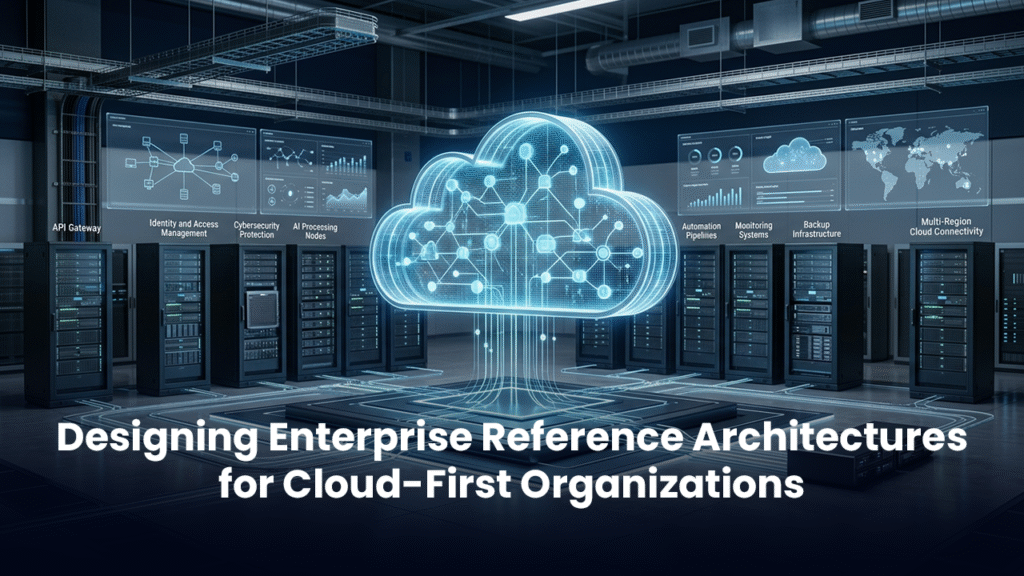
Building a Security-First AI Architecture
Security should be embedded into AI infrastructure from the beginning rather than added after deployment.
A security-first architecture includes:
- Secure API gateways
- Identity and access management
- Data protection controls
- Monitoring and observability
- Automated threat detection
- Governance frameworks
- Incident response planning
Integrating these controls early reduces long-term risk and creates a stronger foundation for scaling AI services.
Organizations that prioritize security during AI implementation are better equipped to support growth without introducing unnecessary vulnerabilities.
Conclusion
AI APIs are becoming the connective tissue of modern enterprise AI systems, enabling intelligent applications, automation platforms, and data-driven decision-making. As their role expands, so does the need for comprehensive security strategies.
From unauthorized access and prompt injection attacks to data leakage and resource abuse, AI services face a unique set of risks that require specialized protection measures. Enterprises must combine strong authentication, data security, monitoring, governance, and infrastructure controls to safeguard their AI environments effectively.
By adopting a proactive approach to AI API security, organizations can reduce risk, strengthen compliance, protect valuable data, and build the trust necessary to scale AI initiatives confidently in an increasingly connected digital landscape.